
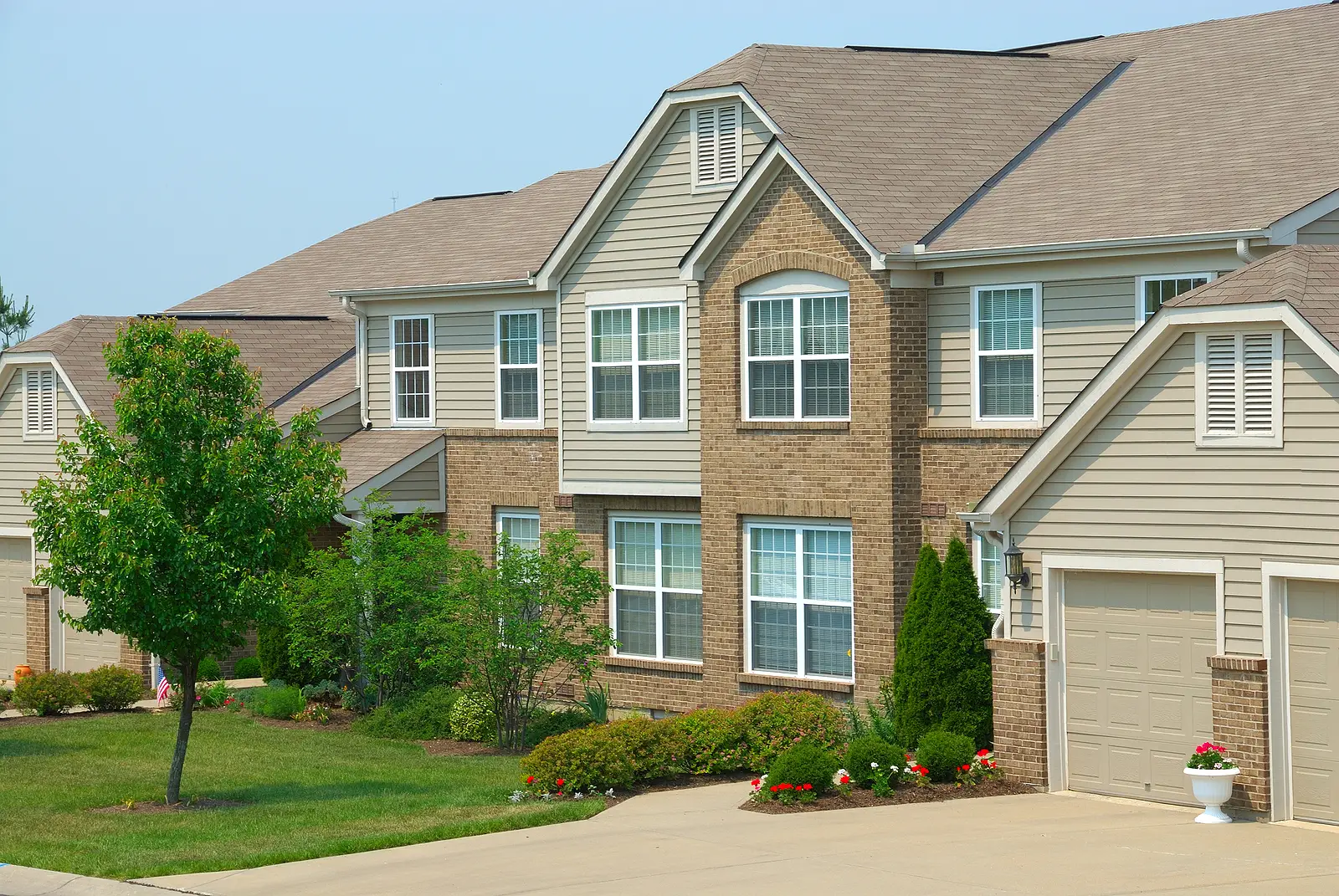
A well-managed HOA depends heavily on how residents experience day-to-day communication with the board. In Suwanee communities, enforcement issues often escalate when homeowners feel policies are applied without enough explanation or flexibility. Small misunderstandings can quickly affect resident trust, especially when expectations are unclear.
Our leadership continuity planning highlights how enforcement challenges frequently grow during board transitions or periods of inconsistent communication. Homeowners are more likely to cooperate when policies feel organized, transparent, and practical.
At PMI Reliance, we help residential HOA communities create compliance systems that support neighborhood standards while encouraging stronger communication between residents and association leadership.
Key Takeaways
- Consistent enforcement helps communities maintain fairness and predictable expectations.
- Communication problems often create larger disputes than the original violation.
- Overly rigid enforcement can reduce voluntary homeowner cooperation.
- Flexible procedures help boards address real-life situations more effectively.
- Organized inspections and documentation support long-term community trust.
Why Consistency Matters in Residential HOA Communities
Consistency helps homeowners understand what is expected throughout the community. When residents believe rules apply evenly, they are more likely to trust HOA leadership and comply with neighborhood standards.
Still, fairness involves more than applying policies word-for-word. Residents also evaluate how decisions are communicated and whether situations are handled reasonably.
According to the 86% of residents in community associations survey findings, most homeowners report positive or neutral experiences within association communities. Those experiences often depend on whether residents feel respected during enforcement interactions.
Predictable Enforcement Creates Closer Resident Attention
As HOA enforcement becomes more structured, residents begin paying closer attention to how violations are handled. Small differences between situations can quickly create concerns about favoritism or inconsistency.
This added scrutiny may gradually affect the atmosphere of the neighborhood. Residents sometimes become more focused on reporting violations instead of cooperating with one another.
Our community compliance strategies often help boards improve enforcement consistency while maintaining positive relationships with homeowners.
Real-Life Situations Often Require More Flexibility
HOA policies provide structure, but residents do not always experience identical circumstances. Family emergencies, contractor delays, travel issues, or financial hardship can all affect compliance timelines.
When boards ignore context entirely, even standard enforcement actions may feel unfair to residents.
Common Situations That Increase Resident Tension
Many disputes begin when homeowners believe the HOA failed to consider practical circumstances affecting the issue.
Some common examples include:
- Delayed landscaping projects due to weather or contractor scheduling
- Temporary parking changes during home repairs
- Short-term financial hardship affecting assessments
- Delays involving architectural review approvals
- Family emergencies impacting compliance deadlines
These situations often become more difficult when communication already feels limited throughout the community. Our community fee collection guidance helps associations handle sensitive financial conversations without increasing resident frustration.
Strict Enforcement Can Reduce Community Participation
Residents who feel constantly monitored may gradually disengage from HOA activities. Homeowners sometimes stop attending meetings, avoid communication with the board, or challenge violations more aggressively after repeated negative experiences.
Over time, that tension can affect volunteer participation and overall community morale.
Over-Enforcement Can Reduce Voluntary Compliance
Most homeowners want to follow neighborhood standards when expectations are communicated clearly. Problems often arise when enforcement relies too heavily on warnings, penalties, or formal notices.
Communities function better when residents understand that enforcement exists to support neighborhood quality rather than create punishment.
Homeowners Respond Better to Practical Communication
Residents are usually more cooperative when violation notices explain the issue clearly and provide realistic steps toward correction.
Helpful enforcement communication should include:
- Specific details about the concern
- Reasonable timelines for correction
- Respectful and professional wording
- Clear next steps for compliance
- Contact information for questions or clarification
Industry research shows that HOA managers may oversee roughly 42 active violation cases at one time. That workload often leads to generic notices that feel impersonal or confusing for residents.
Our grievance committee planning helps communities create organized processes that improve communication and reduce unnecessary escalation.
Communication Problems Escalate Small HOA Issues
Many enforcement disputes begin because homeowners do not fully understand why the violation was issued. Notices without explanation often create assumptions about unfair treatment or selective enforcement.
Clear communication helps residents understand both the policy and the reasoning behind it.
Timing and Tone Shape Resident Reactions
The tone of an HOA notice can strongly influence how homeowners respond. Even accurate information may create conflict when messages feel harsh or abrupt.
Associations often experience better results when communication focuses on solutions instead of punishment.
Effective HOA Communication Usually Includes
- Clear explanations of the issue
- Respectful language
- Timely follow-up
- Practical correction guidance
- Consistent documentation
This becomes especially important during inspections and ongoing property reviews. Our property inspection support helps Suwanee HOA communities maintain consistent communication and organized documentation throughout the enforcement process.
Transparency Encourages Cooperation
Residents are more likely to comply voluntarily when they understand how decisions are made. Transparency helps reduce assumptions about favoritism and strengthens confidence in HOA leadership.
Communities that communicate openly often experience fewer formal disputes and smoother enforcement outcomes.
Strategic Flexibility Supports Better Long-Term Results
Flexible enforcement does not mean ignoring rules. Strong HOA leadership still requires consistency, documentation, and accountability. The difference involves how boards apply judgment during unusual circumstances.
Clear Exception Guidelines Improve Fairness
Boards should establish clear procedures outlining when temporary flexibility may apply. Organized guidelines help communities avoid inconsistent decisions while giving residents confidence that exceptions are handled fairly.
Examples may include:
- Weather-related project delays
- Temporary medical situations
- Contractor scheduling issues
- Family emergencies affecting deadlines
Documenting these situations helps boards explain decisions clearly if questions arise later.
Our board leadership resources help HOA leaders improve decision-making processes while maintaining consistency across residential communities.
Organized Records Protect the Community
Documentation supports fair enforcement and smoother leadership transitions. Associations should maintain organized records involving:
- Violation notices
- Resident communication
- Approved extensions
- Inspection reports
- Board decisions
Clear records help reduce confusion and improve continuity when board membership changes.
Consistent Inspections Help Prevent Larger Disputes
Preventive inspections often reduce conflict before violations become larger community issues. Residents benefit when expectations remain predictable, and inspection procedures stay consistent throughout the neighborhood.
Professional compliance inspections support:
- Organized property evaluations
- Faster communication with residents
- More accurate documentation
- Consistent neighborhood standards
- Earlier issue identification
Our community compliance inspections help Suwanee HOA communities maintain neighborhood appearance standards while reducing unnecessary resident conflict.
FAQs about HOA Rule Enforcement in Suwanee, GA
Why do some homeowners react negatively to routine HOA violation notices?
Residents may feel frustrated when notices seem unclear, impersonal, or overly strict. Homeowners usually respond better when communication explains the issue directly, outlines practical next steps, and maintains a respectful tone throughout the enforcement process.
Can flexible enforcement policies still protect HOA consistency?
Yes. Communities can maintain consistency while allowing limited flexibility for emergencies, contractor delays, or temporary hardships. Clear written guidelines and organized documentation help boards apply exceptions fairly without creating confusion or inconsistent enforcement practices.
How can HOA boards reduce repeated resident complaints about enforcement?
Boards often reduce complaints by improving communication, documenting decisions carefully, and responding consistently across similar situations. Residents are more likely to cooperate when they understand how policies work and feel their concerns receive thoughtful consideration.
What makes documentation important during HOA enforcement decisions?
Documentation creates transparency and helps boards explain decisions if residents raise questions later. Organized records involving inspections, notices, extensions, and communication also support smoother leadership transitions when board membership changes over time.
How do compliance inspections improve neighborhood cooperation?
Regular inspections help communities identify concerns early before problems escalate into larger disputes. Predictable inspection schedules and consistent communication also help residents understand expectations while reducing confusion about how neighborhood standards are enforced.
Consistent Communication Helps Communities Stay Cooperative
Resident trust often grows from the small daily interactions homeowners have with their HOA. Clear expectations, respectful communication, and organized enforcement procedures help communities avoid unnecessary disputes while keeping neighborhood standards consistent.
In Suwanee communities, enforcement works more effectively when homeowners understand the purpose behind policies and feel their concerns are handled fairly. PMI Reliance helps residential associations create compliance processes that support long-term stability without creating avoidable friction between residents and board members.
When your association needs a more reliable way to manage inspections and resident communication, bring structure to neighborhood compliance with PMI Reliance and help your community operate more smoothly.
